14 podcast mentions
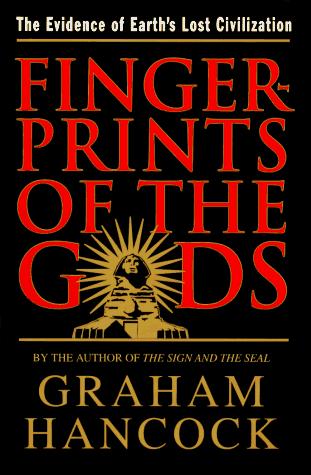
Fingerprints of the gods
a quest for the beginning and the end
This book is about the beginning of the human race. How perhaps normal history has left things out, or maybe just left things unexplained. **Graham Hancock** explains how certain ancient structures all over the world are much older than originally thought, how civilizations who had no means of travel seemed to have communicated in some way. Hancock tries to answer questions we may have never even thought to ask. Were ancient civilizations visited by a superior race? Were these civilizations taught about technology they wouldn't have had? ---------------------------------------------------------------------------------------------------- Could the story of mankind be far older than we have previously believed? Using tools as varied as archaeo-astronomy, geology, and computer analysis of ancient myths, Graham Hancock presents a compelling case to suggest that it is. “A fancy piece of historical sleuthing . . . intriguing and entertaining and sturdy enough to give a long pause for thought.”—*Kirkus Reviews* In ***Fingerprints of the Gods***, Hancock embarks on a worldwide quest to put together all the pieces of the vast and fascinating jigsaw of mankind’s hidden past. In ancient monuments as far apart as Egypt’s Great Sphinx, the strange Andean ruins of Tihuanaco, and Mexico’s awe-inspiring Temples of the Sun and Moon, he reveals not only the clear fingerprints of an as-yet-unidentified civilization of remote antiquity, but also startling evidence of its vast sophistication, technological advancement, and evolved scientific knowledge. A record-breaking number one bestseller in Britain, Fingerprints of the Gods contains the makings of an intellectual revolution, a dramatic and irreversible change in the way that we understand our past—and so our future. And Fingerprints of God tells us something more. As we recover the truth about prehistory, and discover the real meaning of ancient myths and monuments, it becomes apparent that a warning has been han…
Where it’s been recommended
#2481 - Duncan Trussell
Heard on The Joe Rogan Experience · Apr 9, 2026
Did an Advanced Civilization Exist Before the Ice Age?
Heard on Ancient Conspiracies Podcast · Feb 13, 2026

The Basement: Luke Caverns | LiDAR Is Revealing Ancient Cities the Amazon Was Hiding
Heard on The Why Files: Operation Podcast · May 27, 2026
The Basement: Nerdrotic | From Folsom Prison to Millions of Subscribers
Heard on The Why Files: Operation Podcast · May 4, 2026
The Forbidden History of the Sphinx: What Was Buried Beneath It?
Heard on Ancient Conspiracies Podcast · Oct 8, 2025
Lost Atlantean Colonies and Ancient Mind Control Technology Exposed
Heard on Ancient Conspiracies Podcast · Jan 28, 2026

The Flood Story Found in EVERY Religion
Heard on Camp Gagnon · Jun 7, 2026
COMPILATION: Staff Picks A to Z: From Aliens to Zombies, From Giants to Gobekli Tepe
Heard on The Why Files: Operation Podcast · Dec 29, 2025
#2521 - Aravind Srinivas
Heard on The Joe Rogan Experience · Jul 1, 2026

Joe Rogan: The Truth About Aliens (He Finally Says It)
Heard on American Alchemy with Jesse Michels · Nov 30, 2025

#405 - Epstein, Atlantis & Ark of the Covenant | Dan Richards
Heard on Danny Jones Podcast · Jun 15, 2026
I Debated UFOs With America’s Top Skeptic (It Got Ugly…)
Heard on American Alchemy with Jesse Michels · Jul 9, 2026
#2529 - Zach Bush
Heard on The Joe Rogan Experience · Jul 22, 2026

The Nilesh Oak Interview | Matt Beall Podcast
Heard on Matt Beall Podcast · Aug 13, 2026
The app
Your shows. Every book they recommend.
Connect your podcast apps and get a living feed of every book your hosts mention — with the quote, the episode, and one tap to buy.