Ancient Bloodlines and the Alien Connection: Are Our Rulers Not Human?
Some of the texts speak of the Nephilim, a race of giants mentioned in the book of Genesis, interpreted by some as the offspring of sons of God and daughters of men.
4 podcast mentions
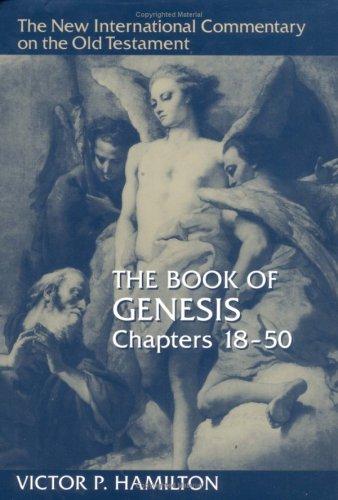
The second of Victor P. Hamilton's two-volume study of Genesis for the NICOT series, this prodigious and scholarly work provides linguistic, literary, and theological commentary on Genesis 18-50. Beginning with Abraham's reception of the three visitors and his intercession before Yahweh on behalf of Sodom and Gomorrah (Gen. 18) and continuing through the end of the Joseph story (Gen. 50), the overarching theme of Hamilton's commentary is Yahweh's faithfulness to his promised word and his covenant commitments to those whom he has chosen to receive that promised word. Special features of this commentary include its serious attention to important matters of biblical translation from the Hebrew language into English, copious footnotes that direct readers to further and more extensive sources of information, and frequent references to the New Testament writers' reading of Genesis. Hamilton's work will greatly benefit scholars, seminarians, and pastors who seek solid exegesis of the Bible's foundational book.
Some of the texts speak of the Nephilim, a race of giants mentioned in the book of Genesis, interpreted by some as the offspring of sons of God and daughters of men.
And they may have used these Gardens as a model for the Walled Garden of Eden, in the Book of Genesis, which is thought to have been written down in its final form during the Persian period.
Ancient astronaut theorists suggest an important clue can be found in the famous verse from the Bible that is often mistranslated. In many English versions of the Book of Genesis, Chapter 1, verse 27, states that God created man in his own image.
In the book of Genesis, Adam is the first man.